There's a particular kind of quiet that settles into a house around 2 in the afternoon. Not the peaceful kind. The heavy kind. The kind where the clock on the mantle sounds louder than it should, and the only other breathing thing in the room is a tabby cat named Oliver, curled on the same chair cushion he's claimed since he was a kitten.
Linda knows that quiet well.
Her daughter moved to Colorado 8 years ago. The grandkids — 9 and 6 now — FaceTime on Sundays when they remember. The house in Cincinnati, which once rattled with homework arguments and Thanksgiving chaos, has become a place of careful routines. The radio goes on at noon. The kettle at 1. And by 2, Linda is sitting in the living room wondering if Oliver is as restless as she is, or if she's just imagining it.
She wasn't imagining it.
Oliver had started doing that thing indoor cats do when the world shrinks to 1,200 square feet and nothing ever changes. Pacing the hallway. Sitting at the window with a vacant stare. Batting at the same crinkle ball for 30 seconds before walking away like he'd already solved whatever mystery it once held.
She'd tried every toy the pet store had to offer. Feather wands she had to wave herself until her shoulder ached. Laser pointers that made him run but always ended with him looking confused, searching for something he could never actually catch. Little stuffed mice that ended up under the refrigerator within a day.
Nothing held. Not for long.
And it wasn't just about the cat. It was about her.
Because when you live alone and your world gets smaller, the well-being of your pet becomes personal. It reflects something. If Oliver is bored, if Oliver is listless, if Oliver just sleeps all day — it feels like a small failure. Like maybe this quieter chapter of life is making everything around it quieter, too.
Linda didn't say any of that out loud, of course. She just kept buying toys that didn't work and feeling a little more defeated each time.
Then her neighbor Patty mentioned something she'd ordered online for her own two cats. A thing called the Whack-a-Ball.
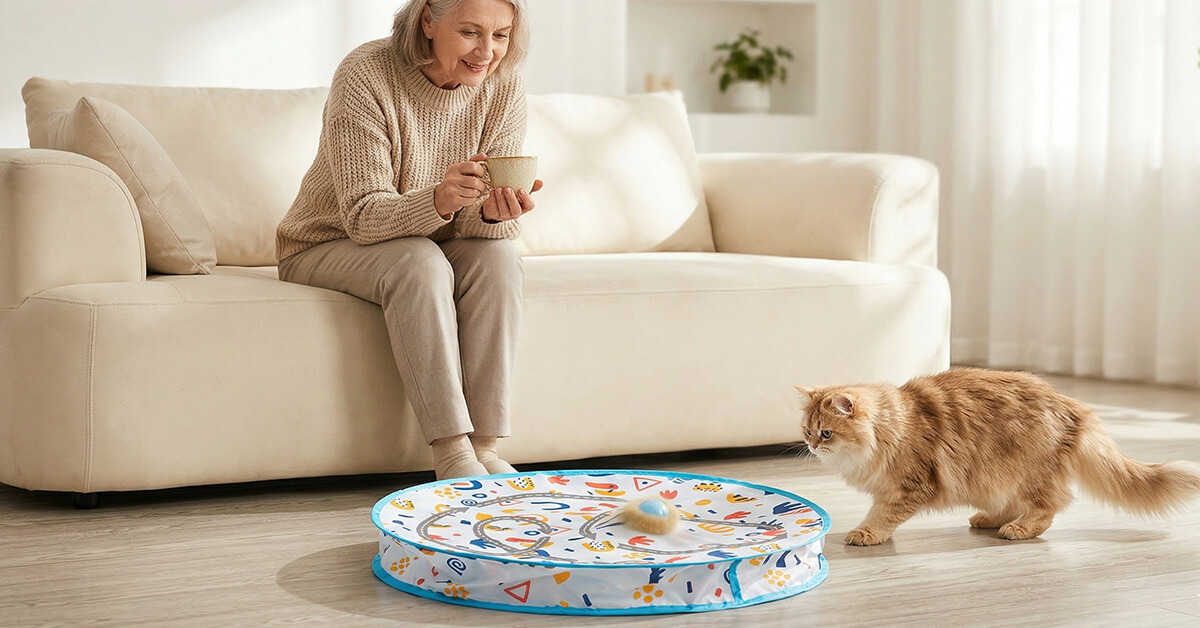
It Looked Simple. Almost Too Simple. But the Cat Didn't Think So.
Linda will be the first to admit she was skeptical. A motorized ball inside a cloth bag? That was the big innovation? She'd spent $40 on an automatic laser tower that Oliver ignored completely after day 2. Another gadget seemed like another waste.
But Patty's description stuck with her: "It's like when something moves under the blanket and they lose their minds."
That was Oliver's weakness. Every single time Linda shook out a bedsheet or adjusted a throw blanket, Oliver transformed. Ears forward. Body low. Eyes black with focus. He'd launch himself at whatever invisible creature was wriggling underneath, paws flying, completely consumed by the hunt.
The Whack-a-Ball, it turned out, was designed to replicate exactly that.
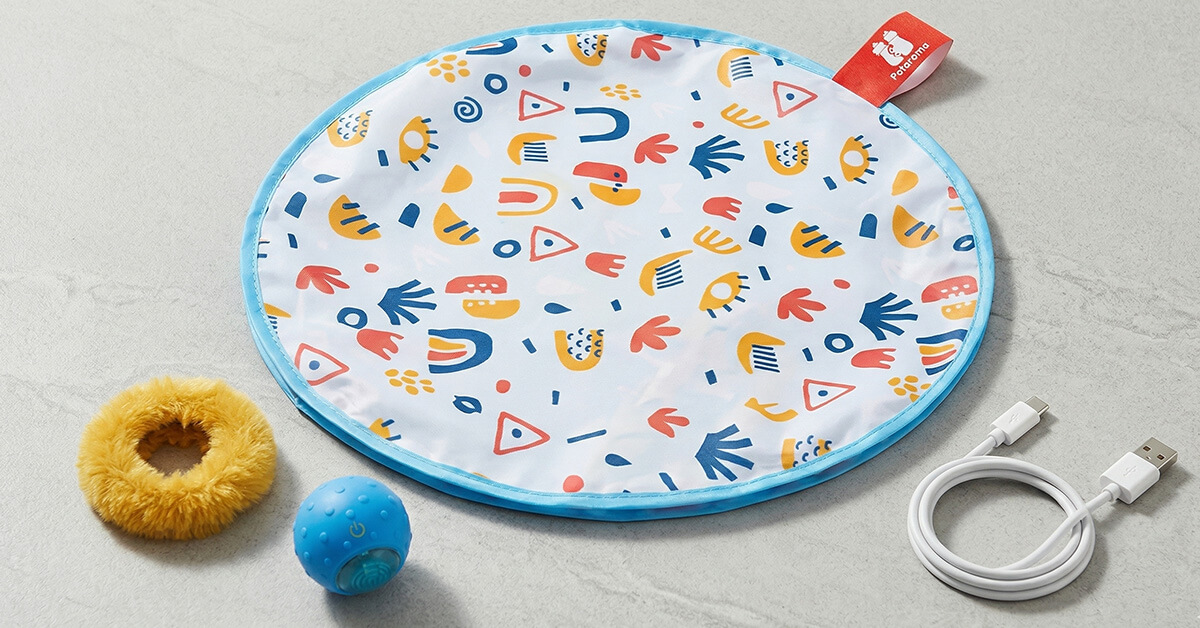
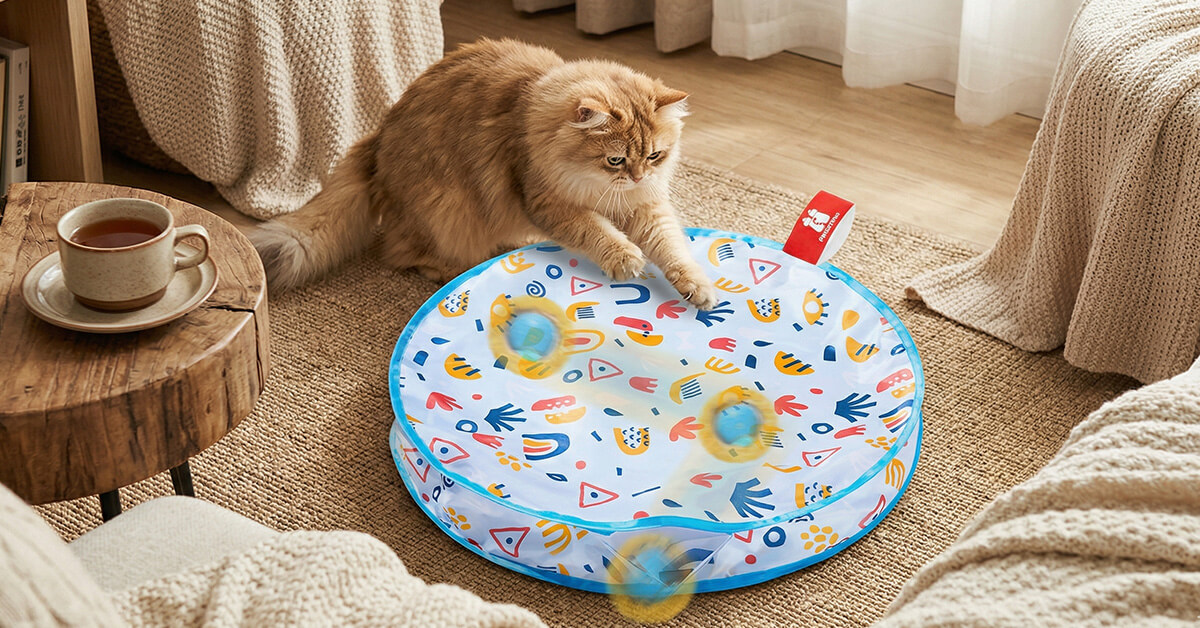
The concept is deceptively straightforward. A small motorized ball sits inside a soft cloth bag. When a cat touches it — even lightly — the ball starts moving in random, unpredictable patterns beneath the fabric. It rolls, pauses, changes direction. It even makes small chirping sounds, like a bird that got itself trapped under the covers.
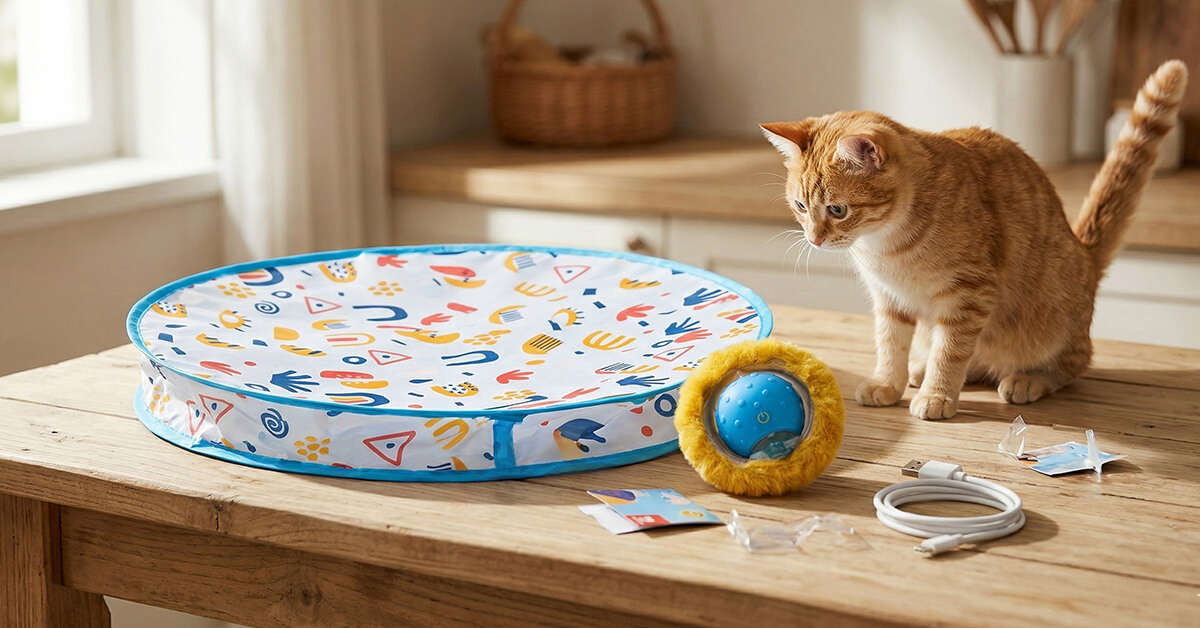
There's no complicated setup. No app to download. No 47-step instruction manual in tiny print. You charge it with a USB cable — the same kind that charges half the devices already in the house — set it on the floor, and wait.
Linda set it down next to Oliver's chair on a Tuesday afternoon.
He stared at it for about 10 seconds.
Then it moved.
What Happened Next Made Her Call Her Daughter for the First Time in a Week
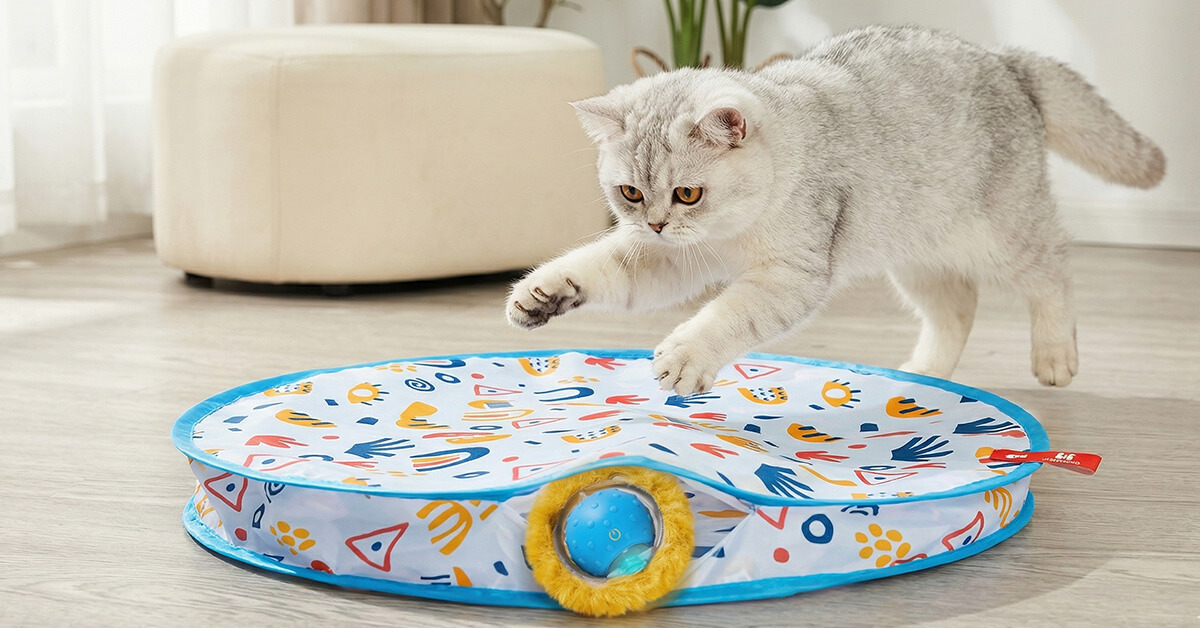
Oliver hit that bag like he'd been waiting his entire indoor life for something worthy of his attention.
He crouched. He stalked. He did that little butt-wiggle thing cats do right before they spring. And then he launched — both paws slamming down on the moving lump under the cloth. The ball changed direction. Oliver scrambled after it. The bag bunched and shifted. He bit the corner, kicked with his back legs, rolled sideways, and attacked again.
Linda laughed out loud. Actually laughed. The sound startled her because it had been a while since something in this house made her do that spontaneously.
For 25 minutes — she checked the clock, amazed — Oliver played without stopping. Not the half-hearted batting of a bored cat going through the motions. Real play. Intense, athletic, fully engaged play. The kind she hadn't seen since he was young.
And here's the thing nobody tells you about watching your pet come alive like that: it does something to you, too.
That evening, Linda called her daughter. Not for the usual check-in where they both search for something to say. She called because she had a story. She described Oliver's ambush in detail — the butt-wiggle, the sideways roll, the way he sat next to the bag afterward panting slightly, looking deeply satisfied with himself. Her daughter was laughing on the other end. Her granddaughter wanted to see it on video next time.
It was a small thing. A cat toy. But it gave Linda something she hadn't realized she'd been missing: something new to talk about. Something that made her home feel less still.
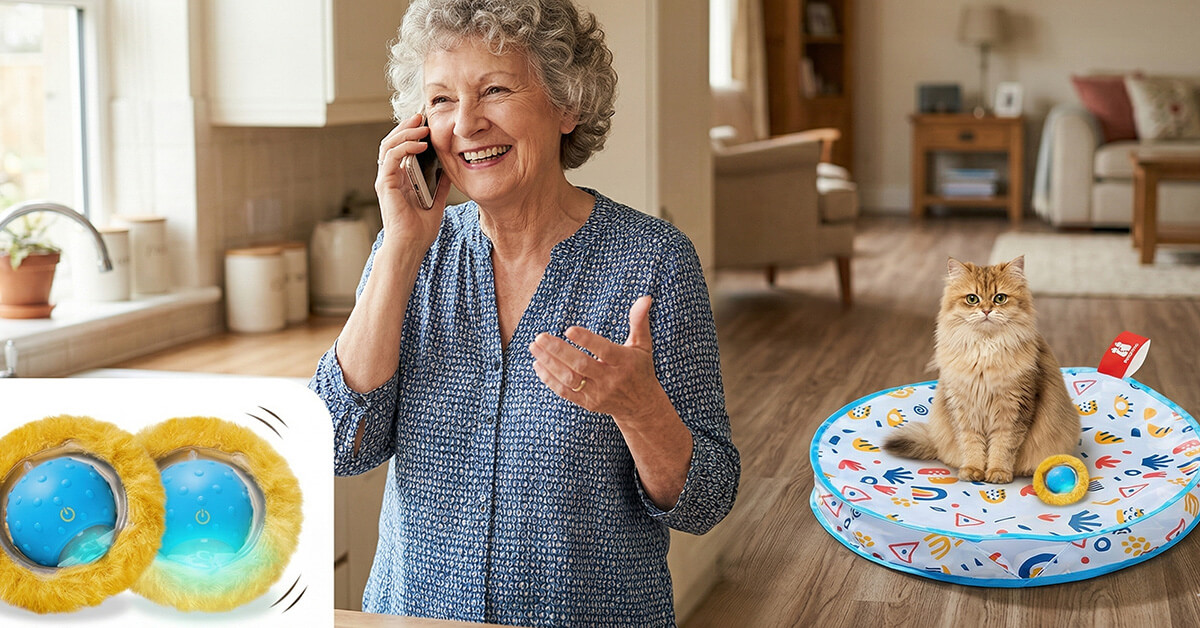
Why This Works When Every Other Cat Toy Ended Up Under the Refrigerator
The difference between the Whack-a-Ball and every toy Linda had tried before comes down to one word: unpredictability.
Static toys — the stuffed mice, the crinkle balls, the springs — are solved problems. A cat figures them out in minutes. There's no mystery left. No reason to engage. It's the equivalent of doing the same crossword puzzle 300 days in a row.
The Whack-a-Ball never does the same thing twice. The ball's movement patterns are random. It speeds up, slows down, pauses, reverses. The cloth bag adds another layer of chaos — it bunches, slides, reshapes — so even the visual profile of the "prey" keeps changing. The built-in chirping sounds add yet another sensory trigger that keeps cats locked in.
It's touch-activated, which matters more than it sounds. The ball doesn't just run on a timer and then stop whether the cat is interested or not. It responds to the cat's engagement. When Oliver swats it, it moves. When he pauses, it pauses. When he pounces again, the whole sequence reshapes. It creates a genuine back-and-forth — a conversation between predator and prey that a cat's brain is literally wired to find irresistible.
There are 3 speed modes — fast for those manic zoomie moments, slow for a stalking session, and interactive for something in between. Linda started Oliver on slow. Within a week, he was on fast, and she had to admit he was in better shape than he'd been in years.
The build quality surprised her too. Oliver is not gentle. He's 14 pounds of enthusiastic violence when he's motivated, and he went after that bag with everything he had. After a month of daily use, the cloth bag shows no tears. The ball still moves perfectly. It's the first cat toy in her house that survived longer than a week of serious play.
And the USB charging means Linda never has to fumble with those tiny watch batteries or make a special trip to the store. She plugs it in while she has her morning coffee, and by the time Oliver wakes from his post-breakfast nap, it's ready to go.
The Afternoons Don't Feel the Same Anymore
The 2 o'clock quiet hasn't disappeared from Linda's house. The clock still ticks. The neighborhood is still sleepy after lunch.
But the texture of those hours has changed.
Most days now, Linda sets the Whack-a-Ball on the living room floor around 1:30. She settles into her chair with her tea. And she watches Oliver transform from a drowsy lump into something electric — ears up, muscles coiled, every neuron firing with purpose.
Sometimes she times his sessions. 20 minutes. 30. Once, an astonishing 45 minutes before he flopped on his side, chest heaving, paws still twitching with residual excitement.
Her veterinarian noticed the difference at his last checkup. Oliver had lost half a pound — the right kind of weight loss, the active kind. His energy was better. His coat looked healthier. The vet asked what changed, and Linda felt a swell of quiet pride when she explained.
Because that's what this is really about, underneath the toy and the technology and the 3 speed settings. It's about being a good caretaker. It's about looking at the one living creature who shares your days and knowing — not hoping, knowing — that you're giving them a rich, stimulating, happy life.
The grandkids now ask to see "Oliver's show" every time they FaceTime. Her daughter sends text messages asking, "What did Oliver do today?" There are stories to tell again. Small ones. But real ones.
Last Thursday, Oliver ambushed the Whack-a-Ball from behind the couch with such theatrical commitment that Linda recorded it on her phone and sent it to the family group chat. Her son-in-law replied with 6 laughing emojis. Her 9-year-old granddaughter wrote back: "GRANDMA OLIVER IS SO CRAZY I LOVE HIM."
Linda read that message 3 times.
The house isn't so quiet anymore.
It Works for More Than Just One Cat — and Even Small Dogs
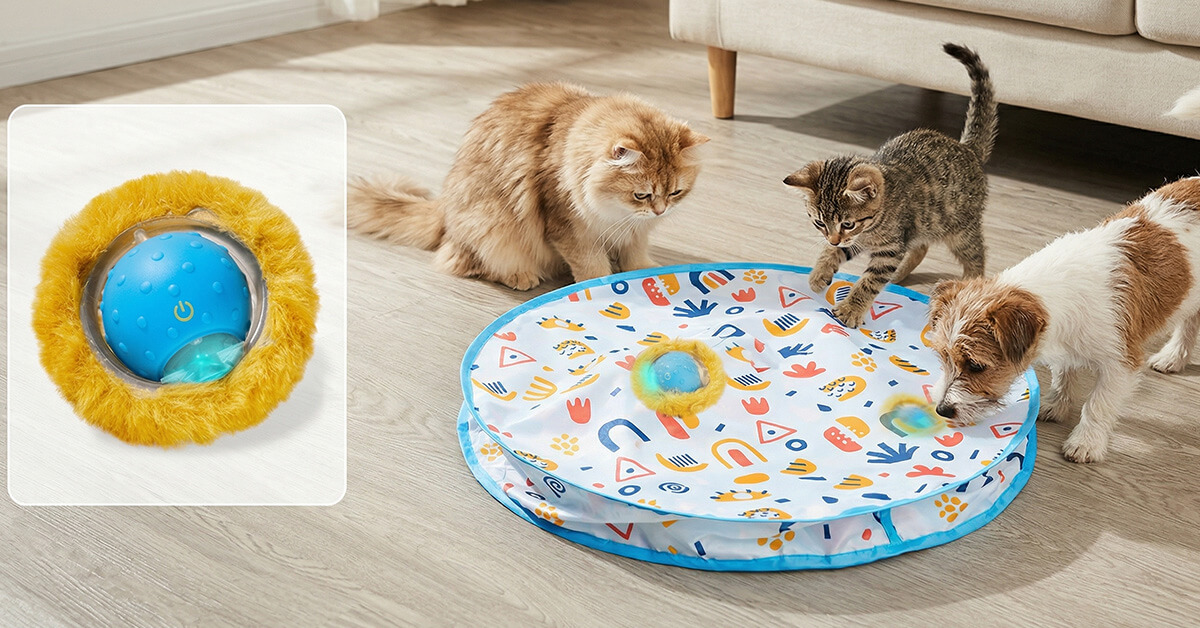
Linda's neighbor Patty, the one who recommended the Whack-a-Ball in the first place, has 2 cats and a small terrier mix. All 3 of them play with it. Sometimes at the same time, which Patty describes as "controlled chaos."
The toy's movement is engaging enough to hold the attention of multiple animals simultaneously. One cat stalks from the left, the other waits in ambush from behind, and the dog circles the whole operation trying to figure out his angle. Patty has taken more videos in the last month than in the previous year combined.
For anyone in a multi-pet household — and plenty of seniors find comfort in having more than one furry companion — the Whack-a-Ball pulls double or triple duty without needing any additional accessories or parts. One toy. Multiple animals entertained. No human required to stand there waving a stick until their arm gives out.
That last point matters. Linda loves Oliver. She would do anything for him. But she's 68, and her right shoulder has been unreliable since 2019. The feather wand sessions used to leave her sore. The Whack-a-Ball lets her be the audience instead of the performer — and Oliver doesn't mind one bit. He's too busy hunting.
The Peace of Mind That Makes It Easy to Try
There's a 30-day money-back guarantee. No conditions. No fine print. No phone calls where someone tries to talk you out of it. If the cat isn't interested — though based on 1,840 verified reviews, that would be unusual — it goes back, full refund, done.
Shipping is fast. Orders go out within 24 hours and arrive at the door. The checkout is secure and encrypted, which Linda appreciated because she's cautious about ordering things online, as anyone sensible should be.
She almost didn't order it. She almost decided it was another gimmick that would end up in the closet. She's glad Patty pushed her.
Oliver is glad too, though he expresses it mostly through violence against the cloth bag.
Right Now, It's Half Off — and That Won't Last
The Whack-a-Ball is currently available at 50% off for first-time buyers. No promo code needed. The discount applies automatically at checkout.
Stock is limited, and at this price, it's been moving fast. Once this introductory offer ends, it goes back to full price — and there's no announcement ahead of time. It simply changes.
For anyone who has watched their cat pace an empty room, who has felt that twinge of guilt about not being able to play as long or as often as they'd like, who wants their home to feel a little more alive in the middle of a long afternoon — this is worth trying.
Oliver would agree, but he's busy right now.
[→ Claim 50% Off the Whack-a-Ball Today — While the Introductory Offer Still Stands]
Click the link above to see if Whack-a-Ball is still offering a 50% off discount.